
Critical Minerals • Geopolitics & Energy
Saudi Arabia's 110-Million-Tonne Rare Earth and Uranium Discovery: Strategy, Geology, and Geopolitics
Energy Minister Prince Abdulaziz bin Salman announced a massive mineral deposit at Jabal Sayid near Madinah. Inside the data, downstream industrial ambitions, water constraints, and the global race to break China's refining grip.
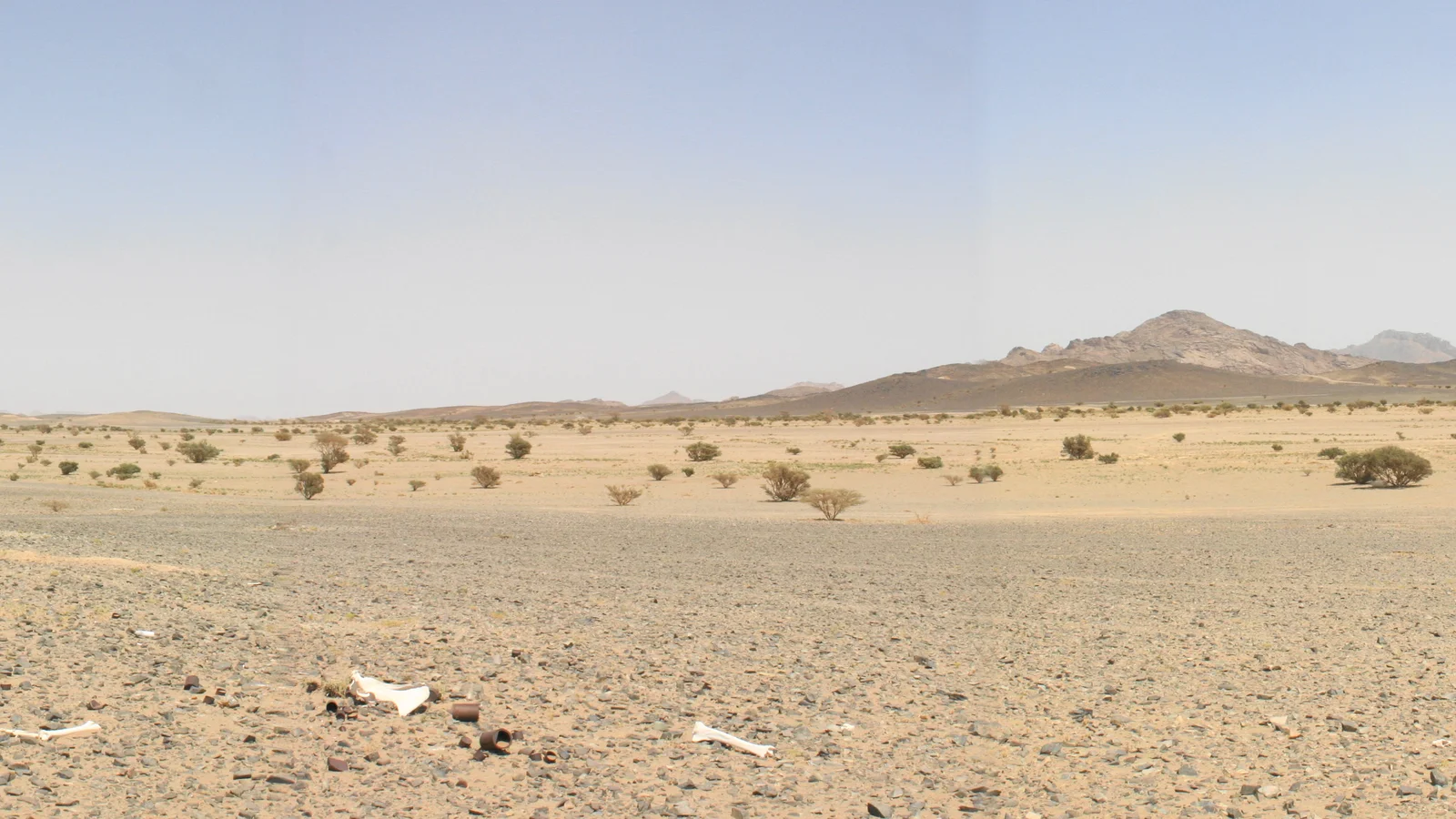
During the 70th General Conference of the International Atomic Energy Agency (IAEA) in Vienna, Saudi Arabia's Energy Minister Prince Abdulaziz bin Salman made an announcement that resonated across global commodities desks and diplomatic chancelleries: geological exploration teams have identified an estimated 110 million tonnes of ore containing high concentrations of rare-earth elements and promising uranium deposits near the historic city of Madinah.
The disclosure, delivered alongside updates regarding Riyadh's bilateral civil nuclear cooperation framework with the United States, represents a pivotal moment in the kingdom's resource strategy. For decades, Saudi Arabia's sovereign wealth and geopolitical leverage rested almost exclusively on the prolific crude reservoirs of the Ghawar field and the Eastern Province. By declaring a world-class critical minerals deposit at Jabal Sayid, Saudi leadership is signaling an aggressive push to position the kingdom as an indispensable node in the global energy transition.
"This discovery positions Jabal Sayid among the most significant rare-earth resource sites in the world, establishing a foundational asset for our downstream industrial manufacturing and clean energy supply chains."
Geological Verification: Distinguishing Raw Ore from Recoverable Metal
While the headline figure of 110 million tonnes captured international headlines, seasoned mining analysts and mineral economists emphasize the necessity of reading the announcement with technical rigor. In mineral resource reporting, gross ore tonnage measures the total volume of host rock in the ground. It does not equate to pure metal volume or refined chemical concentrate.
Rare-earth deposits typically exhibit total rare-earth oxide (TREO) grades ranging between 0.5 percent and 4.0 percent in commercial hard-rock alkaline complexes. If the Jabal Sayid deposit grades at a conservative 1.5 percent TREO, 110 million tonnes of ore would contain roughly 1.65 million tonnes of in-situ rare-earth oxides. By comparison, China's massive Bayan Obo complex hosts over 40 million tonnes of contained TREO, while the Mountain Pass mine in California reports approximately 1.5 to 2.0 million tonnes of contained oxides.
Similarly, uranium occurrences within peralkaline granites and volcaniclastic sediments in the Arabian Shield have historically exhibited low to moderate grades, often between 0.03 percent and 0.08 percent triuranium octoxide (U3O8). A 2020 collaborative survey between the Saudi Geological Survey (SGS) and China National Nuclear Corporation (CNNC) previously identified prospective anomalies across Jabal Sayid and Al-Aflaj, estimating theoretical resources at roughly 60,000 tonnes of uranium metal. The minister's Vienna statement marks the first time that rare earths and nuclear fuel feedstocks have been officially grouped into a unified commercial tonnage estimate.
| Parameter | Official Disclosure | Technical Benchmark | Commercial Implication |
|---|---|---|---|
| Gross Ore Tonnage | 110,000,000 Tonnes | In-situ mineralized rock mass | Establishes a multi-decade open-pit or underground mine life |
| Target Commodities | Rare Earth Elements & Uranium | Neodymium, Praseodymium, Dysprosium, U3O8 | Supplies EV permanent magnets and domestic nuclear reactor fuel |
| Geographic Center | Jabal Sayid, Madinah Province | Arabian-Nubian Neoproterozoic Shield | Proximate to existing copper mine infrastructure and Yanbu port |
| Reporting Code | Ministerial Announcement | JORC / NI 43-101 Technical Filing Pending | Commercial financing requires independent core drill assays |
To convert this public declaration into bankable project financing, state mining champion Ma'aden and the Ministry of Industry and Mineral Resources will need to publish an independent Competent Persons Report compliant with JORC or NI 43-101 standards. Such documentation must establish cutoff grades, recovery metallurgy, strip ratios, and the exact ratio of light rare earths (cerium, lanthanum) to high-value heavy rare earths (dysprosium, terbium).
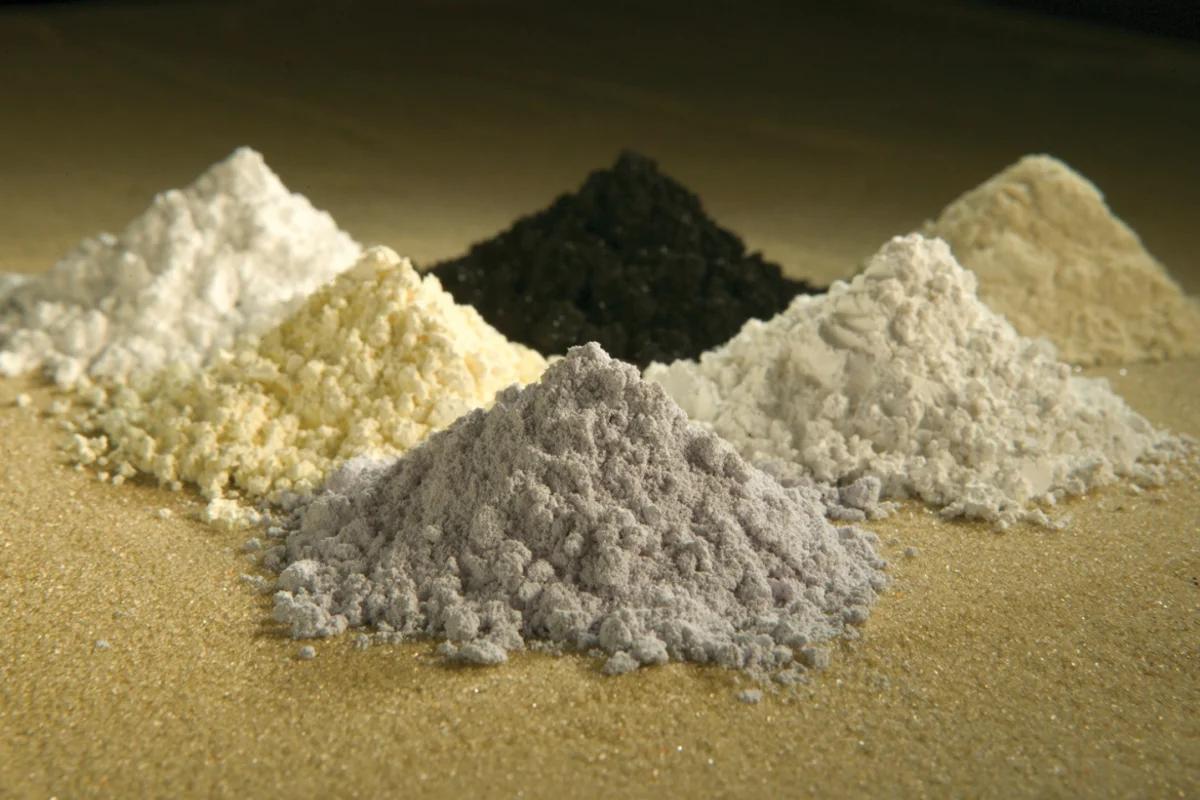
Vision 2030: Converting Raw Dirt into Domestic Industrial Capital
Under Saudi Arabia's Vision 2030 development roadmap, mining has been formally designated as the third pillar of the national economy, alongside petroleum extraction and petrochemical refining. The kingdom's revised geological surveys estimate its total subsurface mineral endowment at approximately $2.5 trillion, spanning phosphate, gold, copper, zinc, and critical technology metals.
However, Saudi policymakers are determined to avoid the historical trap of resource-rich developing economies: digging up unrefined ore and shipping raw concentrates to foreign smelters. Crown Prince Mohammed bin Salman and the Public Investment Fund (PIF) have mandated that mineral discoveries feed domestic manufacturing ecosystems.
In 2024, Ma'aden entered preliminary technical discussions and joint venture evaluations with international partners, including U.S.-based MP Materials and European engineering consortia, to assess downstream separation facilities within the kingdom. By processing rare-earth oxides domestically into high-strength permanent magnets, Saudi Arabia aims to directly supply its burgeoning domestic automotive sector, which includes the Lucid Motors assembly facility in King Abdullah Economic City and the domestic electric vehicle brand Ceer Motors.
Similarly, developing an indigenous uranium resource serves Riyadh's dual energy goals. Saudi Arabia plans to construct commercial nuclear power reactors to generate base-load electricity and power coastal thermal desalination plants, freeing up hundreds of thousands of barrels of crude oil currently burned daily for domestic power generation. Having domestic yellowcake supplies guarantees fuel security under international safeguards.
Geopolitical Supply Chains: Challenging Beijing's Refining Grip
The geopolitical implications of the Madinah discovery extend far beyond the Gulf. Today, the People's Republic of China refines approximately 90 percent of the world's rare-earth elements and controls over 90 percent of commercial rare-earth magnet production. In times of diplomatic friction, Beijing has demonstrated a willingness to restrict critical mineral exports, prompting the United States, Japan, and the European Union to designate critical mineral supply chains as vital matters of national security.
Western policymakers have spent five years attempting to build independent mine-to-magnet supply chains, but they face steep permitting hurdles, environmental litigation, and immense capital expenditure requirements. A major, well-capitalized rare-earth production hub in Saudi Arabia backed by sovereign wealth funds alters the global board.
The announcement at the IAEA coincides directly with bilateral negotiations between Washington and Riyadh concerning a formal Section 123 civil nuclear cooperation pact. By integrating Western processing technology with Saudi capital and raw geological assets, Riyadh positions itself as a critical neutral supplier capable of serving both Western high-tech manufacturers and Asian trade corridors without being beholden to Chinese export quotas.
Hydrological Realities: The Water and Environmental Bottleneck
Despite the commercial excitement, the path from an ore discovery at Jabal Sayid to operational production faces formidable environmental and engineering hurdles. Rare-earth mineral processing is among the most chemically aggressive and water-intensive industrial endeavors on the planet.
Separating individual lanthanides requires multistage acid cracking, solvent extraction across hundreds of sequential mixer-settler tanks, and extensive caustic washing. In hyper-arid western Saudi Arabia, where baseline groundwater tables are scarce and non-renewable, supplying millions of cubic meters of fresh water to a chemical processing complex presents an acute trade-off with agricultural and municipal needs.
To make Jabal Sayid viable, developers will almost certainly need to construct dedicated industrial water pipelines from the Red Sea desalination plants at Yanbu, situated roughly 200 kilometers to the west. While Saudi Arabia is the global leader in seawater reverse osmosis desalination, running pipelines across elevation gradients and powering energy-dense water facilities adds substantial capital and operating expense to the project's bottom line.
Furthermore, uranium-bearing ores invariably carry radioactive daughter isotopes, including radium, radon gas, and thorium. Tailings management in windy desert basins requires engineered lined impoundments to prevent heavy metal leaching into regional wadi aquifers during flash flood events. The Ministry of Industry and Mineral Resources will face intense international oversight to ensure that environmental, social, and governance (ESG) standards meet the threshold required by institutional Western end-users like Apple, Tesla, or European defense contractors.
Market Reaction and Rumour Control: The Verification Timeline
Global commodity exchanges and public mining equities responded to the announcement with calculated restraint. Unlike speculative junior exploration news that can trigger wild swings on the Toronto or Australian exchanges, institutional commodity desks recognize that developing a Greenfield rare-earth complex from initial discovery to commercial production typically requires eight to twelve years.
Online commentary and social media forums initially saw inflated rumors suggesting that Saudi Arabia had discovered 110 million tonnes of pure uranium metal or ready-to-use nuclear fuel. Energy sector analysts and independent mining consultancies quickly clarified that the disclosure refers exclusively to raw mineralized ore. No metallurgical flow sheet has been published, and the exact mineralogy (whether the deposits reside in bastnasite, monazite, or xenotime) remains undisclosed.
| Asset / Deposit | Host Jurisdiction | Estimated Resource Scale | Operational Status |
|---|---|---|---|
| Jabal Sayid (Announced) | Saudi Arabia | 110M tonnes gross ore (REE + U) | Exploration / Preliminary resource definition |
| Bayan Obo | Inner Mongolia, China | 800M+ tonnes ore (~40M t TREO) | Active open-pit production; world's largest supplier |
| Mountain Pass | California, United States | ~30M tonnes ore (~6-8% TREO grade) | Active mining and partial domestic cracking |
| Olympic Dam | South Australia | Polymetallic Cu-U-Au-REE giant | Active global copper and uranium supplier |
Over the next 18 to 24 months, analysts will watch for three critical milestones: first, the commencement of a formal diamond-core infill drilling campaign; second, the release of preliminary metallurgical recovery studies by international engineering consultancies; and third, the granting of environmental permits and industrial water rights connecting Jabal Sayid to the Yanbu coastal corridor.
The Editorial Perspective
The announcement of 110 million tonnes of rare-earth and uranium ore at Jabal Sayid is neither an overnight transformation of the commodities market nor an empty political boast. It is an assertive declaration of intent from an economy determined to transcend oil before the mid-century energy transition reaches maturity.
Saudi Arabia possesses three advantages that most junior mineral explorers lack: immense sovereign capital to finance expensive multi-year processing infrastructure, low-cost solar electricity to power downstream refining facilities, and strategic geographical proximity to European and Asian maritime trade routes. If Riyadh pairs this discovery with rigorous transparent technical data, solves its water logistics sustainably, and partners with experienced global operators, Jabal Sayid could emerge as a pivotal anchor in breaking the critical minerals bottleneck that currently threatens the global energy transition.
References & Empirical Documentation
- • International Atomic Energy Agency (IAEA), Official Proceedings of the 70th General Conference, Vienna, September 2026.
- • Saudi Ministry of Industry and Mineral Resources, Annual Geological Survey and Critical Mineral Endowment Report, Riyadh, 2026.
- • Reuters, Saudi Arabia Announces 110 Million Tonnes of Rare Earth and Uranium Ore Near Madinah, September 14, 2026.
- • Arab News, Jabal Sayid Mineral Discoveries and Saudi Arabia's Vision 2030 Industrial Strategy, September 2026.
- • United States Geological Survey (USGS), Mineral Commodity Summaries: Rare Earths and Uranium, 2025/2026.
- • World Nuclear Association (WNA), Uranium in the Middle East: Resource Estimates and Nuclear Power Programs, 2025.
- • The National, Critical Minerals Diplomacy: Saudi Arabia's Push into Global Supply Chains, September 2026.